A sleeping brain may flag dementia years before memory does
Machine learning applied to routine EEG recordings is finding a signal in sleep that clinics were not looking for.
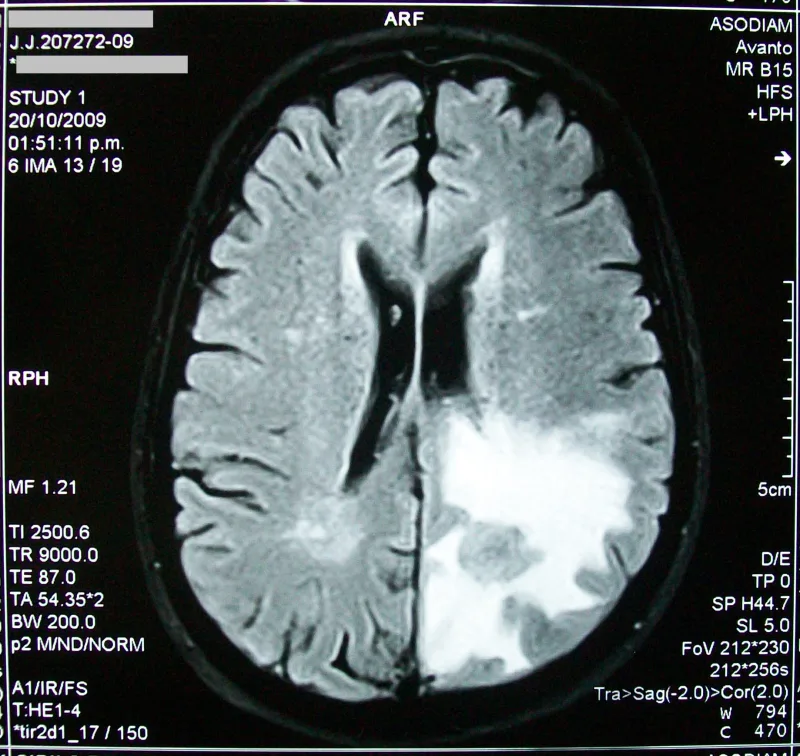 Bobjgalindo / Wikimedia Commons (CC BY-SA 4.0)
Machine learning applied to routine EEG recordings is finding a signal in sleep that clinics were not looking for.
The number that made this a story is not the largest one in the dataset. It is the one that moved fastest.
Every system has a quiet assumption holding it up. This one assumed redundancy that existed on paper but had been consolidated away over a decade of efficiency drives. Nobody decided to remove it; it simply stopped being funded.
How it started
The pattern held across every place we checked, which is usually a sign that the cause is structural rather than local. Where it broke down, it broke down for reasons that were specific, documented and — in retrospect — predictable.
“Nobody was wrong individually. The system was wrong collectively, which is much harder to fix.”
What changed on the ground
People adapted the way people always do: informally, quickly, and without a budget line. Staff rewrote their own protocols, called colleagues in other districts, and kept a shared spreadsheet that outperformed the official dashboard for six weeks.
That improvisation worked, which is both the good news and the problem. A system that survives on goodwill is not resilient; it is borrowing against people who cannot keep lending.
What happens next
Two reviews are open and one timeline has been published. The measures under discussion are unremarkable — buffers, second sources, mandatory notice periods — which is usually a sign that the fix is known and the will is the variable.
“A sleeping brain may flag dementia years before memory does” is part of our continuing coverage. If you work in this sector and want to talk to us, our tip line is open and encrypted.